



Introduction
Welcome to the Shapers Club blog, where we share our best tips to enhance your surfing experience. Today, we're tackling an essential topic for all surfers: surfing priority rules. Respecting these rules is crucial to ensure everyone's safety and maintain a friendly atmosphere in the water. Whether you're a beginner or an experienced surfer, mastering these rules will help you avoid collisions and surf serenely.
Why Are Priority Rules Important?
Surfing priority rules exist to prevent accidents and conflicts between surfers. They are particularly important in crowded spots where many surfers share the same waves. By respecting these rules, you contribute to better harmony in the water and ensure a more enjoyable surf session for everyone.
Priority Rules in Detail
The Surfer Closest to the Peak Has Priority:
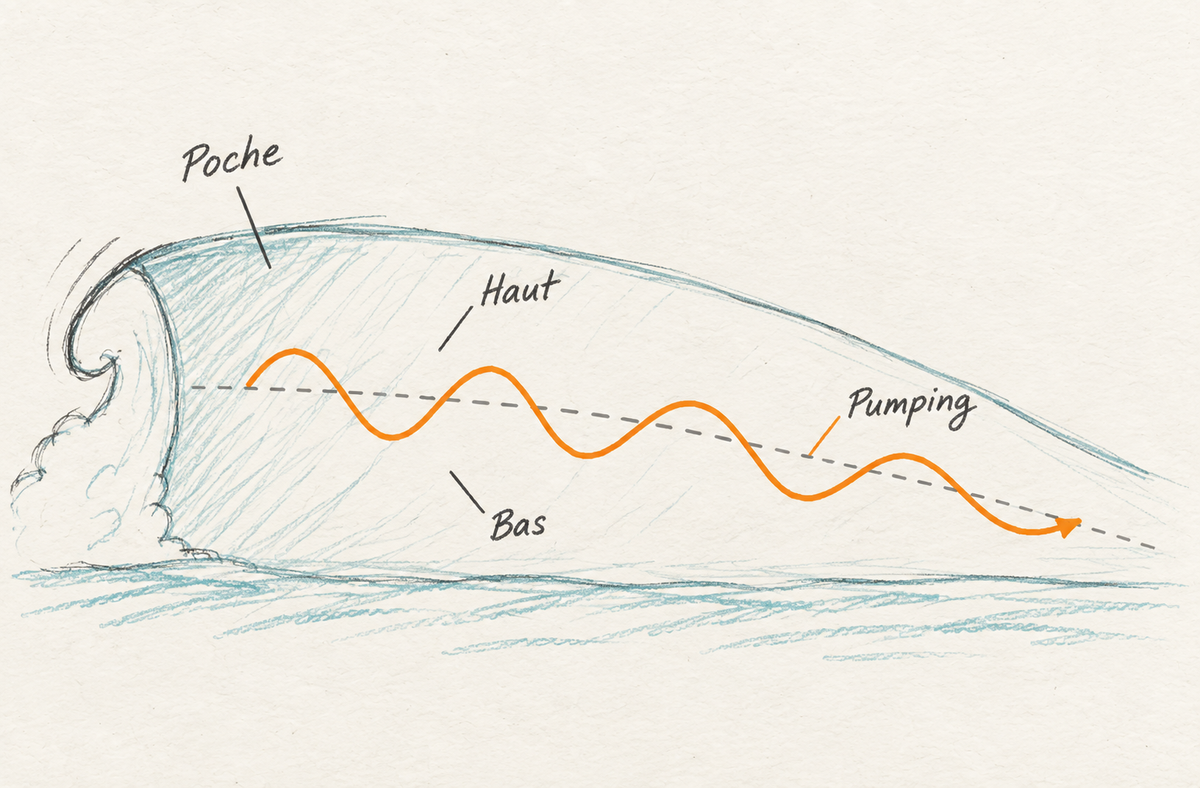
- Basic Principle: The surfer who is closest to the point where the wave begins to break (the peak) has priority. This is the most fundamental and important rule to follow.
- How to Apply: Carefully observe other surfers and identify who is closest to the peak before taking a wave. If someone is already paddling for the wave, give them priority.
The Surfer Standing Has Priority:
- Basic Principle: If a surfer is already standing on the wave, they have priority over others who are still paddling.
- How to Apply: If you see a surfer already standing, do not try to take the same wave. Respect their space and wait for the next wave.
Do Not Drop In:
- Basic Principle: "Dropping in" means taking a wave already being ridden by another surfer. This is one of the most serious errors in surfing.
- How to Apply: Before taking a wave, always look left and right to ensure no other surfer is already on it. If they are, let the wave pass.
Inside Priority:
- Basic Principle: On a point break or reef break, the surfer further inside, meaning closer to the breaking part of the wave, has priority.
- How to Apply: Always respect the position of the surfer furthest inside. If you are outside, wait for your turn.
Respect Local Rules:
- Basic Principle: Each spot may have its own local rules and customs. It is important to know and respect them.
- How to Apply: Inform yourself about the specifics of the spot before getting in the water. Observe local surfers and adopt their behaviors and practices.
Good Practices for a Smooth Session:
-
Communication and Observation:
- Make eye contact with other surfers to avoid misunderstandings. Use hand signals if necessary to indicate your intentions.
-
Patience and Respect:
- Don't be too greedy. Let a few waves pass and be patient. Respect other surfers and their turn.
-
Safety First:
- If you are a beginner, stay in designated beginner areas to avoid interfering with more experienced surfers. Always think about your safety and that of others.
Conclusion
Surfing priority rules are essential to ensure an enjoyable and safe session for everyone. By respecting them, you contribute to a better atmosphere at the spots and avoid accidents. Whether you're on crowded beaches or at a secluded spot, these rules are your guide to surfing in harmony with others. So, respect them and enjoy the waves!

Share:
FCS: A Revolution in the World of Surfing Thanks to Removable Fins
2024 Olympic Surfing: Kauli Vaast for Gold and Johanne Defay for Bronze