

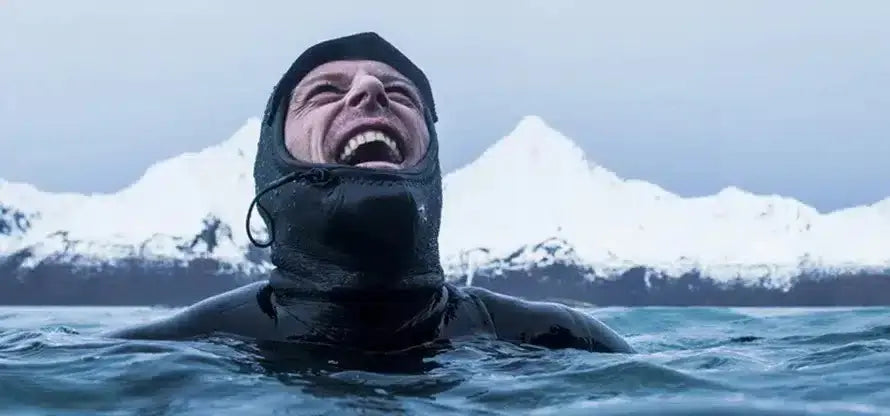
When winter sets in and the water drops below 15°C, a surf hood becomes an essential accessory to extend your sessions without risking hypothermia. But how do you choose the right thickness, the best cut, and the appropriate materials for your needs? Follow this guide to find the ideal hood and never dread the cold again!
1. What neoprene thickness should you choose?
The thickness of your hood directly depends on the water temperature and your tolerance to cold. Here is a summary table to help you make the right choice:
| Water Temperature | Recommended Thickness |
|---|---|
| >17°C | 1-2 mm (optional) |
| 13-17°C | 3 mm |
| 8-15°C | 5 mm |
| <8°C | 7 mm |
🔹 3 mm: perfect for mid-seasons (autumn and spring) with water between 13°C and 17°C.
🔹 5 mm: the ideal choice for winters in the Atlantic (8-15°C).
🔹 7 mm: reserved for extreme conditions (<8°C), especially in the North Sea or icy water.
👉 For most spots in France, a 5 mm hood is the best compromise between thermal protection and comfort.
2. The options that make a difference
Not all hoods are created equal! Certain technologies increase comfort and watertightness, making your sessions more enjoyable. Here are the essential features to look out for:
✅ Double collar: prevents water infiltration by adjusting under the wetsuit.
✅ Integrated visor: limits water runoff on the face and improves visibility.
✅ Adjustable chin strap: ensures optimal support without pressure points.
✅ Integrated top hood: some models combine a hood and a neoprene top, offering 2 mm of additional thermal insulation.
3. Which materials should you prioritize?
💡 Good neoprene makes all the difference in terms of flexibility, comfort, and durability. Here are the best options on the market:
🌱 Eco-friendly neoprene: some brands offer alternatives in limestone-based neoprene, which are more environmentally friendly.
🔥 Fleece lining: technologies like Rip Curl's Flashbomb provide increased thermal insulation and ultra-fast drying.
🤸♂️ Ultra Stretch Neoprene: ensures optimal freedom of movement, preventing a feeling of being stifled.
4. A good fit for maximum effectiveness
A poorly fitting hood will let water in and reduce its thermal efficiency. Here are some tips for choosing the right size:
📏 Measure your head circumference (above the ears) for a precise fit.
🧷 Elastic fastening: keeps the hood in place even during intense duck dives.
🦒 Long neck: protects the nape from the cold and improves watertightness with the wetsuit.
The ideal choice for winter in France
For winter waters in the Atlantic, a 5 mm hood with a double collar and a fleece lining is the best compromise.
🏆 High-end models from brands like Patagonia (eco-responsible) and Rip Curl (quick-drying) are excellent options.
Last tip: try on your hood before buying!
It should be snug but not too tight, to avoid a feeling of oppression while ensuring optimal thermal protection.
Share:
🎄 Exceptional Opening Hours in December! 🎄
How to choose the best wetsuit gloves for winter surfing? 🧤🌊