

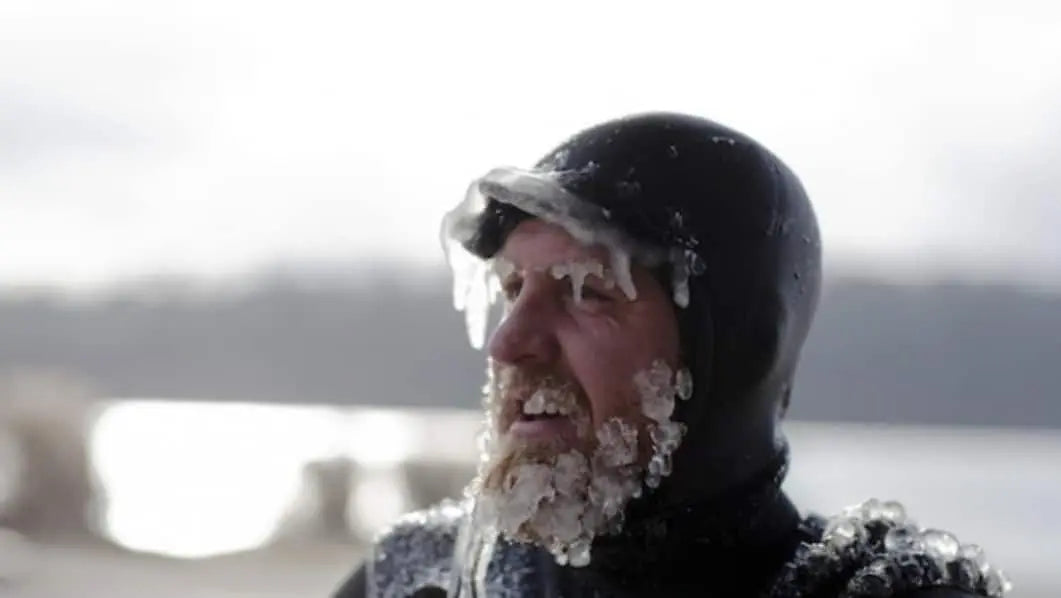
Exostosis, also known as "surfer's ear," is a well-known problem among winter riders. Caused by prolonged exposure to cold water and wind, it leads to abnormal bone growth in the ear canal, potentially causing complete obstruction. The only solution once it develops? Surgical operation.
Fortunately, there are effective solutions to prevent this problem, without hindering your surfing. Here are the best strategies to keep your ears healthy throughout the winter!
1. Hearing Protection: Your First Line of Defense
🎧 Technical Earplugs
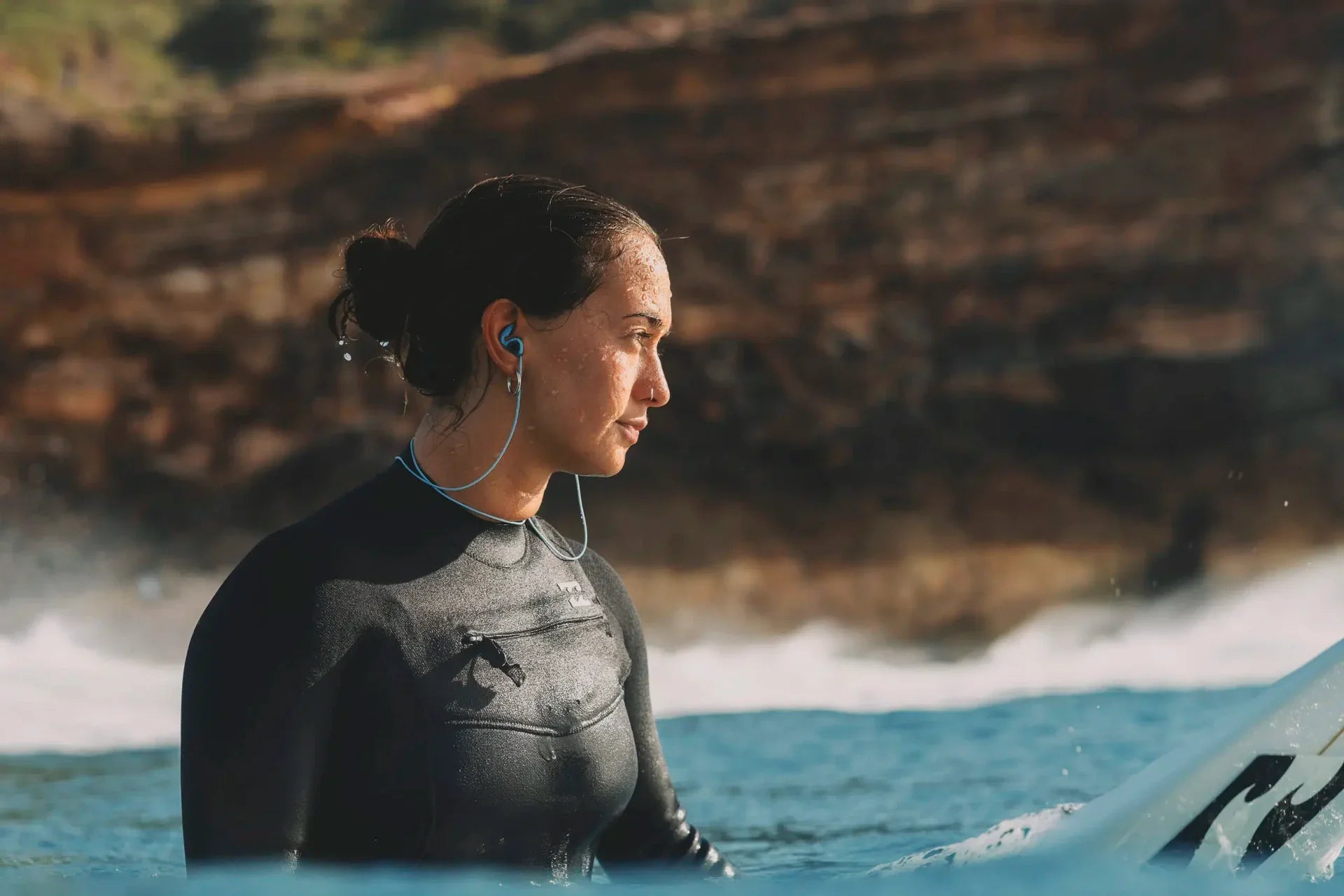
Specialized earplugs are the best protection against cold water and wind. Unlike classic models, they are designed to block water without affecting hearing or balance.
🏆 The best models on the market:
✔️ SurfEars 4.0: acoustic membrane that blocks 99.8% of water, while allowing sound to pass through. Ultra-light and compatible with hoods.
✔️ EQ Seals Balance Pro: made of medical-grade silicone, it effectively protects against water and wind.
✔️ Alpine WaterSafe Pro: innovative hydrophobic filter, allowing 85% of sounds to pass through while preventing water infiltration.
💡 Scientific Proof: A study conducted at Angers University Hospital showed that wearing earplugs reduces bone growth by 30% and prevents infections!
👉 If you surf in winter, earplugs are essential to avoid exostosis.
2. Thermal Insulation: Beanie, Hood, or Headband?
Keeping your ears warm is essential to prevent inflammation of the ear canals. But should you opt for a hood, a beanie, or a headband?
🏄♂️ 3 Effective Solutions:
✅ Lightweight Neoprene Hood (1.5-3 mm): Opt for double-collar models to limit infiltration.
✅ Neoprene Beanie: Offers good thermal protection without completely enclosing the head.
✅ Thermal Headband: Ideal for protecting only the forehead and ears while maintaining perfect hearing.
👉 The winning combo? Earplugs + neoprene beanie for maximum protection without discomfort!
3. Post-Session Hygiene: Avoid Infections
Water remaining in the ear canal promotes ear infections and otitis. After each session, adopt these good habits:
✔️ Thorough drying: Tilt your head to drain water, use a towel or a hairdryer on low heat (30 cm away).
✔️ Gentle cleaning: NO cotton swabs! Prefer rinsing with fresh water or a drying solution (such as sweet almond oil).
👉 A clean and dry ear canal reduces the risk of irritation and infections.
4. Adapt Your Surfing to Conditions
Even with good protection, certain weather conditions increase the risk of exostosis. Here are the rules to follow:
⏳ Limit session duration: More than 1 hour in water <10°C = increased risk of exostosis.
💨 Avoid surfing in strong winds and negative temperatures: These conditions accelerate ear canal irritation.
👉 Listen to your body and adjust your time in the water.
5. ENT Check-up: An Annual Visit Recommended
🔍 Why is it important?
Exostosis develops slowly and painlessly, until the day you realize you can't hear well anymore...
📅 An annual ENT visit can detect the first signs of bone growth and allow you to adapt your protection before it's too late.
👉 Early detection avoids surgical operation!
🎯 The 5-Step Anti-Exostosis Plan
1️⃣ Wear specialized earplugs (SurfEars, EQ Seals, Alpine WaterSafe).
2️⃣ Add thermal protection (beanie, light hood, headband).
3️⃣ Thoroughly dry your ears after each session (no cotton swabs!).
4️⃣ Adapt session duration according to cold and wind.
5️⃣ Have an ENT check-up once a year to monitor progression.
By following these tips, you can surf all winter without risking ear damage! 🌊👂🔥
Share:
What are the alternatives to a surf hood for cold weather? 🌊❄️
Ultimate Guide: Which Skateboard to Choose Based on Your Riding Style? 🛹🔥